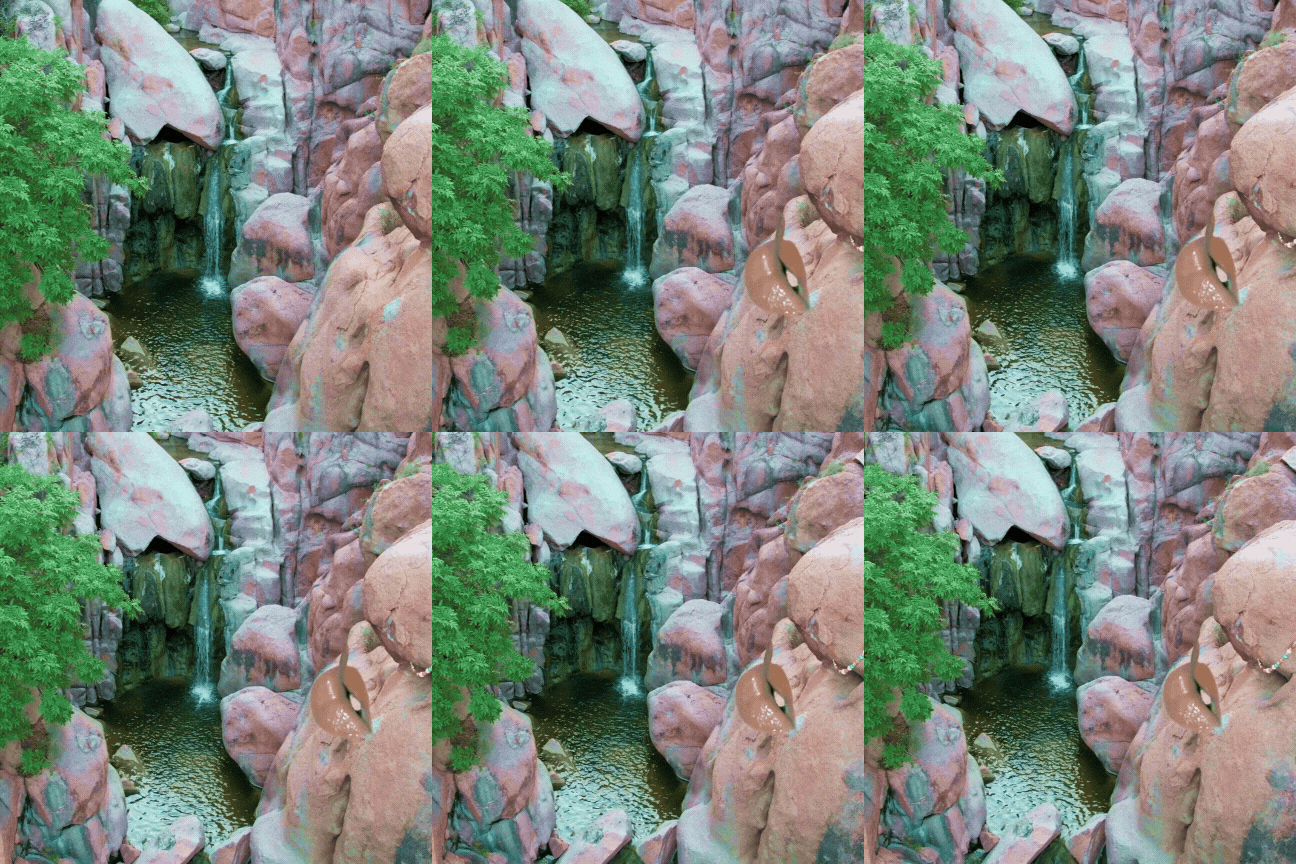
she's always been here

How do you trace memory in a land like this? Not just to learn its history, but to feel its pulse,
to be moved by it, to be changed by it?
In Nagarparkar, stories have endured through memory, ritual, and song.
There is little surviving visual culture to hold these presences: no sculptures or murals, only voices.
This project is my first step toward giving them form, as I have come to know them: through stories, silences, interviews, and gestures gathered during the Echoes of Karoonjhar residency.
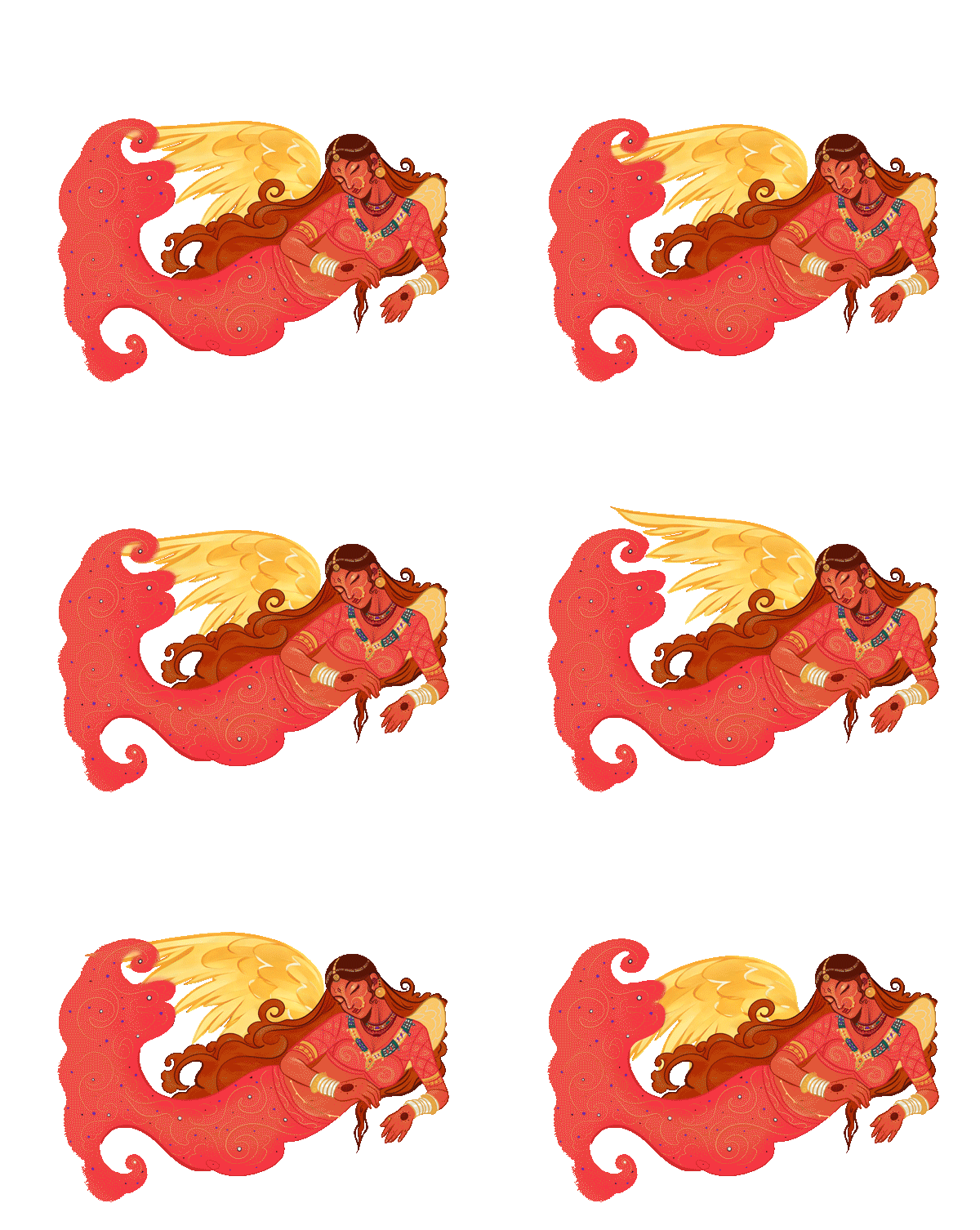
The project is structured around the four Yugas of Hindu cosmology: Satya, Treta, Dvapara, and Kali Yuga. Each one is represented by a woman or deity who holds its essence. These figures are not fixed symbols; they are metaphors for shifting states of consciousness, loss, resistance, and sacredness across time.
You are invited to explore these timelines by clicking on each illustrated figure.
Each one opens a portal: into their story, the landscape that shaped them,
and the memory that still carries them.
Satyug
The age of harmony, sacred balance, and kinship with the land.




Tretayug
The age of exile and quiet resistance, where love for land defies seduction.


Dwarpayug
The age of injustice and fire — where memory begins to fracture and resist.


Kaliyug
The age of veiling, where the divine hides in plain sight.


Carrying the thread forward into a documentary film, blending animations, sound, and lived testimony into a narrative of presence.
Upcoming Work

Artist / Researcher – Areesha Khuwaja (Pakkhee)
Community Collaborators:
Storyteller – Pundit Chaturlal Nanjimal Lohano
Interpreter – Saif Samejo
Photographer – Dileep Permar
Artist Statement
Areesha Khuwaja is a visual ethnographer and artist whose work traces memory, myth, and land-based knowledge through animation, illustration, and storytelling. In Echoes of Karoonjhar, she approaches the mountain not as a symbol, but as an ancestral presence — a living archive shaped by time, ritual, and silence.
More from Areesha